
HR and payroll software for companies in Hyderabad, Sindh
Hyderabad, Sindh is a working city in its own right: factories on the SITE estate, small manufacturers in the old city, schools and colleges across Latifabad and Qasimabad, and hospitals that staff wards around the clock. StreamHCM gives those employers one cloud system for attendance, leave and payroll, with Sindh's SESSI rules and federal EOBI on the same payslip.

Why Hyderabad employers outgrow the register
A lot of Hyderabad companies still close the month the same way. The gate book or a single fingerprint machine holds the punches. Leave sits in a WhatsApp group. The payroll sheet is an Excel file that one person in accounts understands. That is manageable at fifteen people. It starts to fail when a factory adds a second shift, a school opens another campus, or a hospital has to show who was on duty last night.
The city also sits close to Karachi. Groups with a head office on Shahrah-e-Faisal and a plant or campus in Hyderabad often email spreadsheets between the two. The Hyderabad file uses one set of columns. The Karachi file uses another. By the time both are merged, the overtime hours and the new joiners have already drifted.
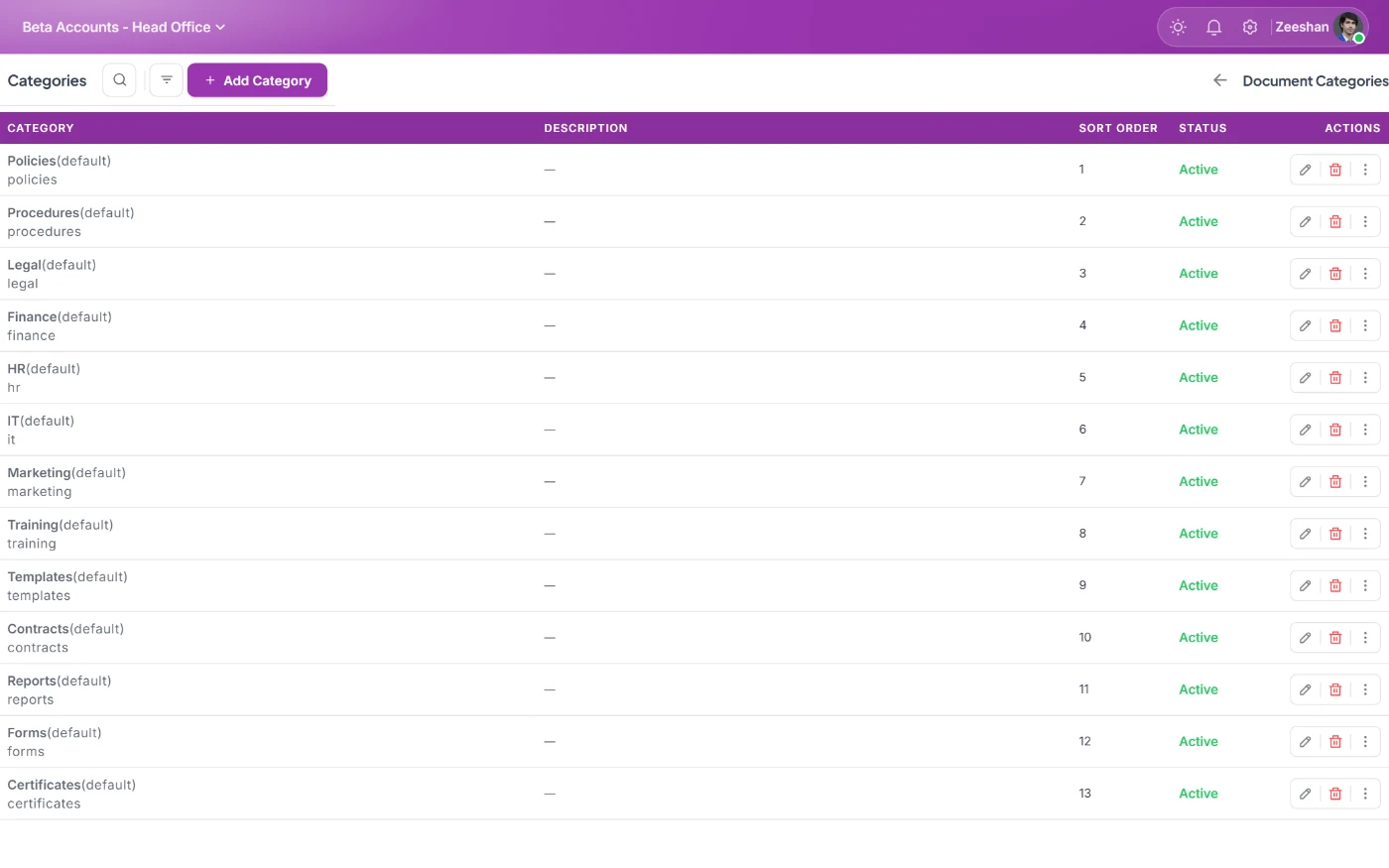
StreamHCM replaces that merge. Punches from a device at the Hyderabad gate, and punches from a Karachi branch, land in one attendance record. Leave approvals happen in the app. Payroll reads that record instead of a workbook someone rebuilt on the 28th. The HR software Pakistan page is the product overview. This page is the Hyderabad, Sindh version of the same system.
Sindh payroll: SESSI beside EOBI
Hyderabad is in Sindh, so the provincial social security scheme is SESSI, the Sindh Employees' Social Security Institution, not the Punjab institution. Under the Sindh Employees' Social Security Act 2016, the employer pays 6% for covered employees, and that employer share is not recovered from wages. The SESSI contribution guide sets out the standard scheme and the self-assessment scheme, including the employee share the guide records for self-assessment. StreamHCM stores the contribution as an employer cost you configure, so a notification is a setting change rather than a new spreadsheet.
EOBI applies in Hyderabad as it does in the rest of Pakistan. The employer pays 5% and the employee 1% of the notified minimum wage, not of actual gross pay. With the federal minimum wage of Rs 40,700 from 1 July 2026, EOBI's own circular puts that at Rs 2,035 employer and Rs 407 employee per insured person, due by the 15th of the following month. The EOBI contribution guide is the longer note. Both lines can sit on the same Hyderabad payslip.
Sindh notified a minimum wage of Rs 43,000 a month for unskilled workers from 1 July 2026, which is the figure already used on our Karachi page, and Sindh also notifies separate rates for other skill categories. Check the Sindh Labour Department before you lock a wage rule. FBR salary tax under Section 149 is withheld from the annualised salary using the Tax Year 2027 slabs. StreamHCM keeps the wage check, SESSI, EOBI and tax as payroll settings with effective dates, so July can use a new rate while June stays as it was paid.
A company with people in Hyderabad and people in Punjab should not use one provincial rule for both. Attach SESSI and the Sindh wage check to the Hyderabad branch, and the Punjab scheme to a Punjab branch, in the same payroll run. That is the same branch-level approach described for Karachi groups.
What a Hyderabad HR team switches on
You do not have to turn on every module on day one. Most Hyderabad employers start with the records, the gate and the payslip.
Biometric and face attendance at the gate, plus mobile GPS check-in for staff who move between a campus, a ward or a sales route.
Shift rules for factories and hospitals, including night duties that cross midnight, grace minutes, late marks and overtime that waits for approval.
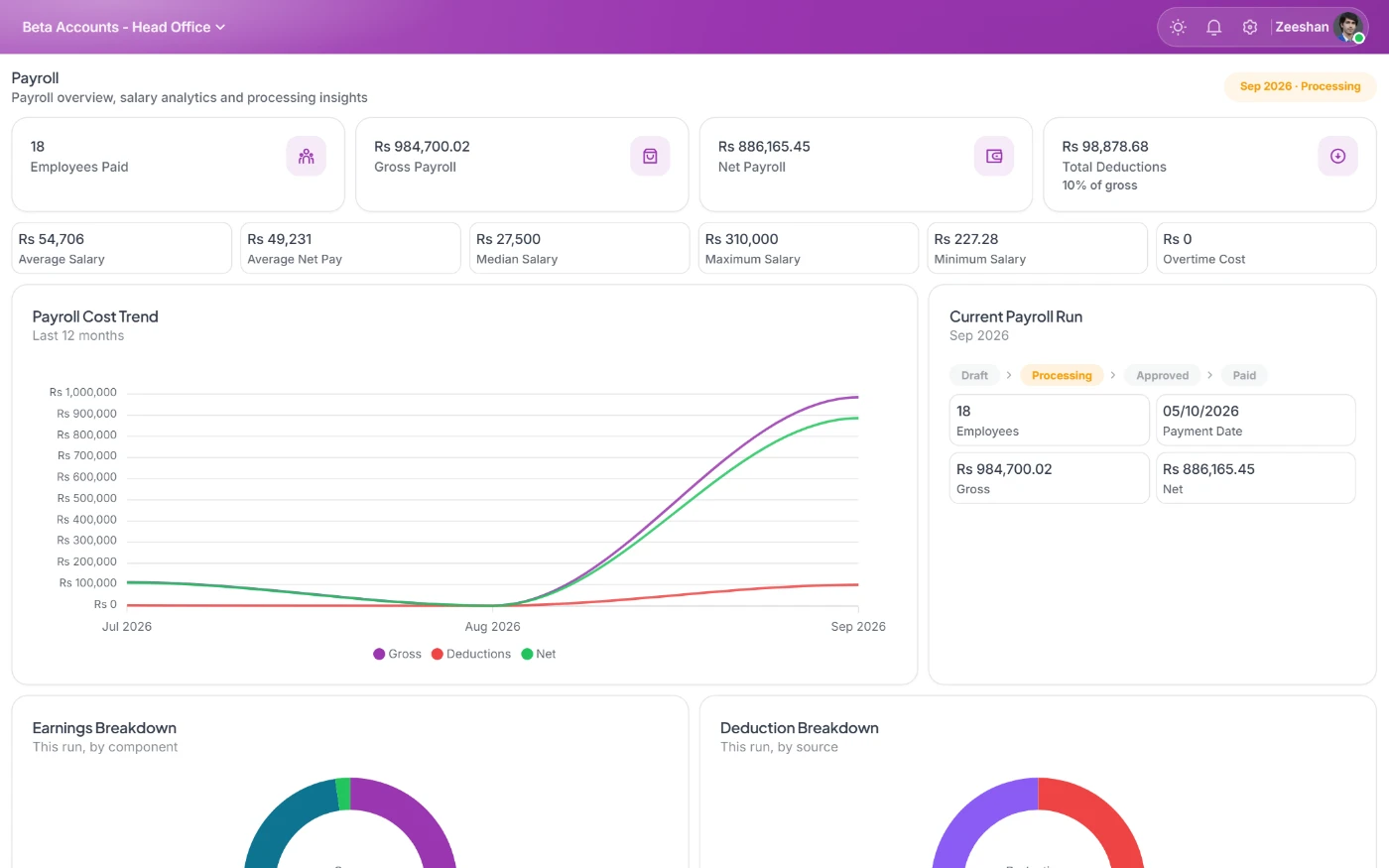
Payroll with salary structures, allowances, loans and advances, SESSI as an employer cost, EOBI, and FBR Section 149 tax.
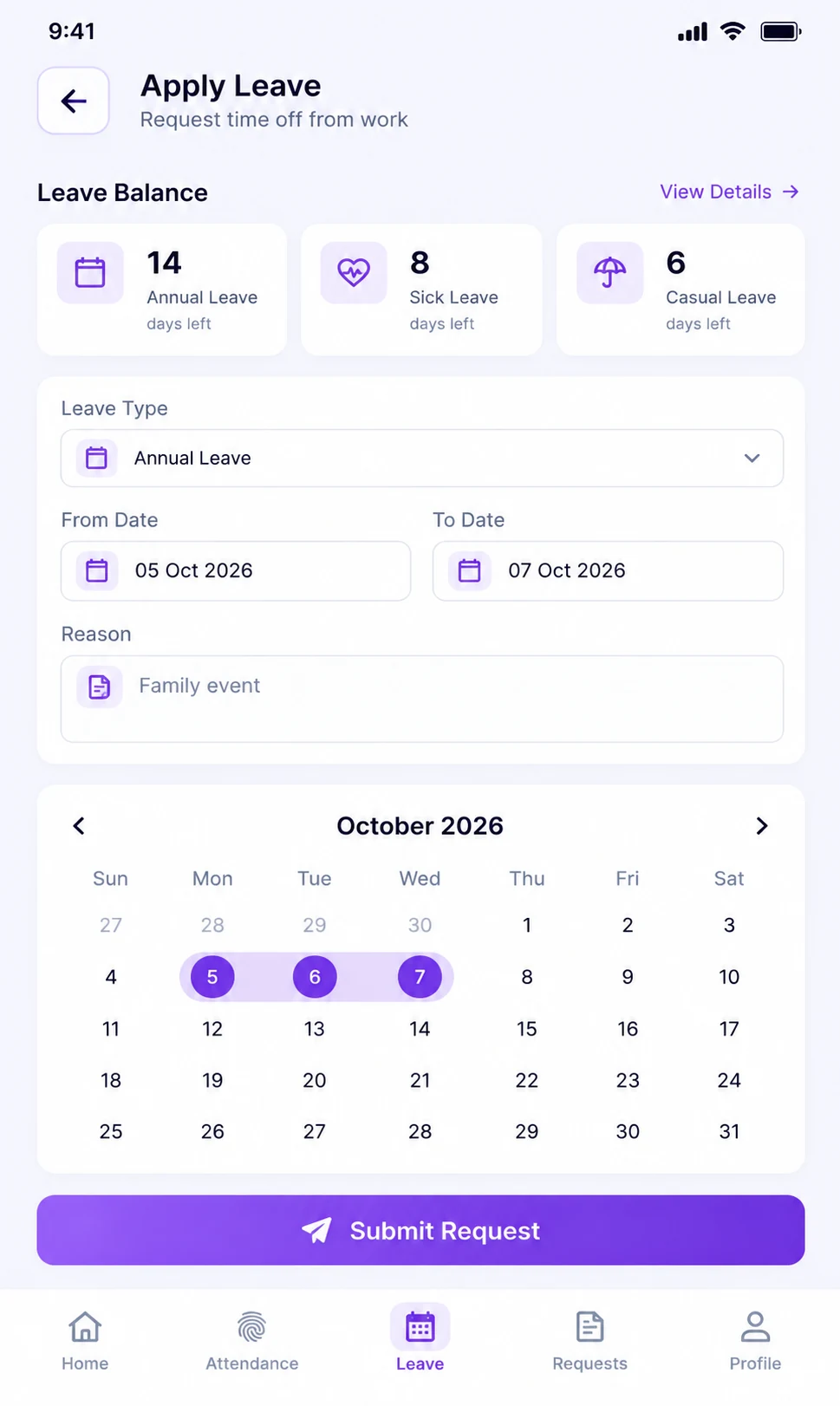
Leave policies for annual, casual, sick and other types, with balances and approvals in the employee app.
Employee records and a document vault for appointment letters, CNIC copies and, where a hospital or a school needs them, licences and certificates.
Branch setup so a Hyderabad site and a Karachi head office share one login, with separate devices, holidays and statutory rules.
Schools, colleges and hospitals
Education employers in Hyderabad usually run more than one policy. Teaching staff, admin staff and drivers do not share the same hours, and a second campus should not mean a second payroll file. StreamHCM lets you keep separate leave rules and shifts by staff group while the school remains one employer. The school HR software page covers campuses in more detail. Attendance can come from a device at the gate or from the app, and the payslip still carries SESSI, EOBI and tax where those apply to that employee.
Hospitals and clinics have a different pressure: the roster. Nurses, technicians and support staff rotate across day and night duties, and a duty that starts in the evening and ends after midnight has to count as one shift. StreamHCM matches punches to the duty you defined, holds overtime for approval, and can store council or licence documents on the employee record. The hospital HR software page describes rosters and documents. The statutory lines do not change because the workplace is a ward. Hyderabad is still Sindh, so SESSI and EOBI are the schemes to configure, not a Punjab scheme copied from a template.
Manufacturers and small employers
SITE Hyderabad and the smaller workshops around the city employ a mix of permanent workers, contract labour and, in some units, people paid by the piece. The HR problem is the same one textile and light-engineering units face elsewhere in Pakistan. Punches from a busy gate have to land on the right shift, overtime has to be approved before it is paid, and the wage for the period has to be visible against the Sindh minimum you are required to meet. StreamHCM keeps permanent and contract workers on one system with different employment types, and it can take piece-rate amounts for the period as salary components beside time-based pay.
Smaller Hyderabad companies, including trading houses and family manufacturers, rarely want a long implementation. They want the register to stop being the system of record. HR software for SMEs describes that starting point: employee records, attendance and one payroll, priced in PKR, without a server to install. Manufacturing HR software is the factory version, with shifts and bulk onboarding. Hyderabad users pick the same modules. The province on the branch is what makes the payslip a Sindh payslip.
A Hyderabad branch and a Karachi head office
Many Hyderabad plants, schools and clinics report to a head office in Karachi, or run the other way around. Because the system is cloud-based, the Hyderabad admin and the Karachi finance lead see the same attendance and the same payroll draft. Devices at the Hyderabad gate sync when the connection is available. They store punches locally and send them when the link returns, so a short outage does not wipe the day.
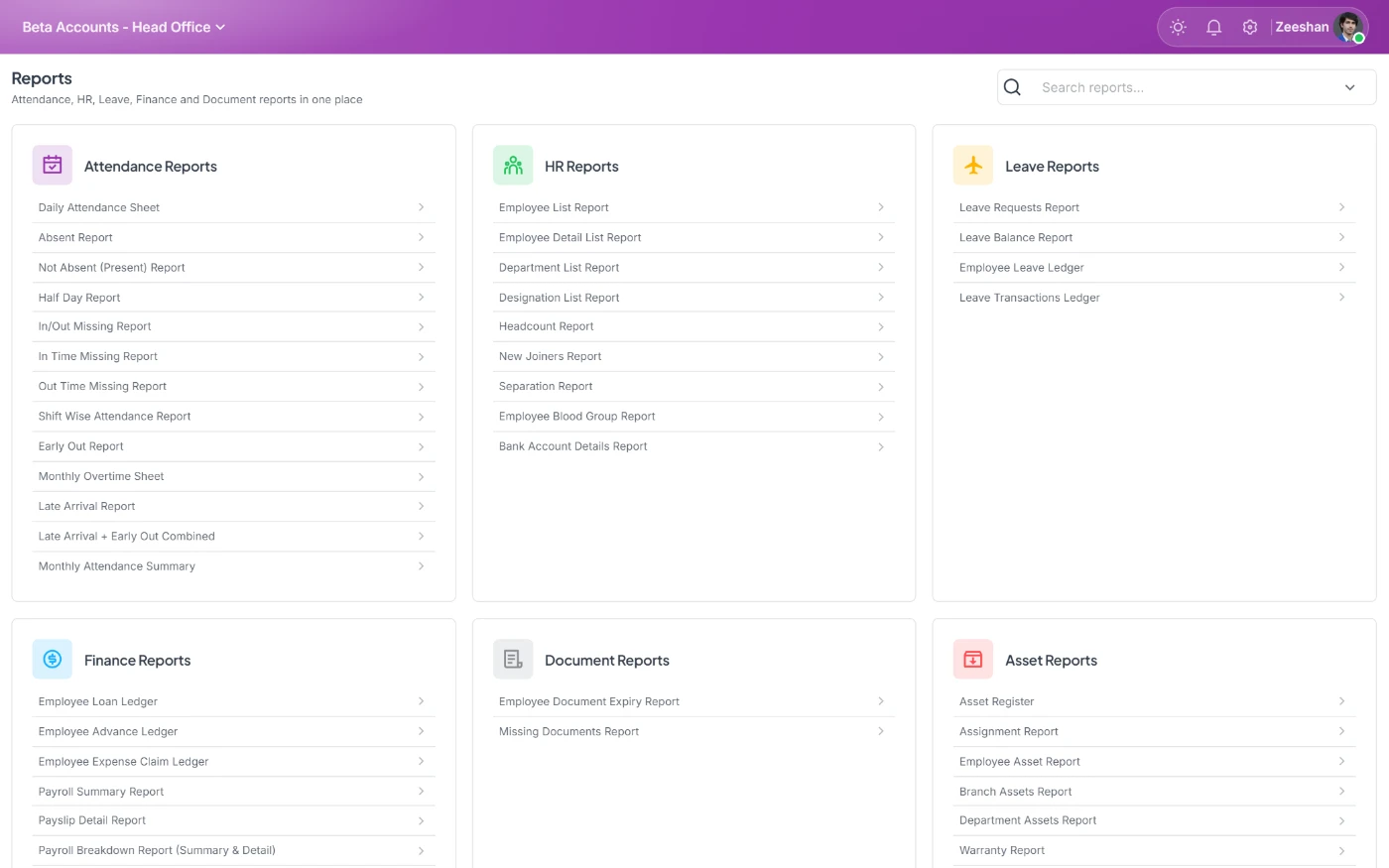
Holidays can differ by branch. A Sindh public holiday that a Punjab branch does not observe stays on the Hyderabad calendar. The payroll run can still be one run. Reports split headcount, attendance and cost by branch, which is the view a group needs when the Hyderabad site and the Karachi site are different sizes and different shift patterns. Attendance management and payroll software explain those two halves. Multi-branch HR software is the note on running both cities from one account.
Getting started in Hyderabad
There is no Hyderabad office to visit. StreamHCM's team is in Lahore, at 68 MB, Zainab Tower, Model Town, Link Road, and supports Hyderabad customers remotely by phone, video and WhatsApp during Pakistani business hours. Setup is remote: import the employee list, connect the attendance device, map shifts, and load opening leave balances.
Every plan includes a 14-day free trial. The usual trial is one site, a parallel payroll beside your current sheet, and a line-by-line comparison before you switch. No card is taken on this site. Request the trial from the contact page, or read pricing for the PKR plans. If you also employ people in Karachi, start with the Hyderabad branch and add the Karachi branch once the first payroll matches.
Frequently asked questions
Yes. It is about employers in Hyderabad, Sindh, Pakistan. The provincial scheme on this page is SESSI, alongside federal EOBI and FBR salary tax.
Yes. SESSI is configured as an employer contribution. The Sindh Employees' Social Security Act 2016 sets the employer share at 6% under the standard scheme, and that share is not deducted from wages. Confirm the current wage limits with SESSI before you lock the setting.
Sindh notified Rs 43,000 a month for unskilled workers from 1 July 2026. Skill categories and any later notification come from the Sindh Labour Department. StreamHCM stores the figure you configure. It does not invent a rate.
Yes. Each branch has its own devices, shifts, holiday calendar and statutory rules. A Hyderabad employee can carry SESSI while a Punjab employee of the same group carries Punjab's own scheme, in one payroll run.
No. The team is based in Lahore and supports Hyderabad customers remotely. The software is cloud-based, so nothing is installed on your own server.
Sources
- EOBI: contribution rates (eobi.gov.pk)
- FBR Withholding Tax Rate Card, Tax Year 2027 (Section 149)download1.fbr.gov.pk
- SESSI: procedure of payment of contributionsessi.aqmsolutions.com
See StreamHCM running your HR
Request a 14-day trial. No card is taken on this site.