
Best attendance software for factories in Pakistan
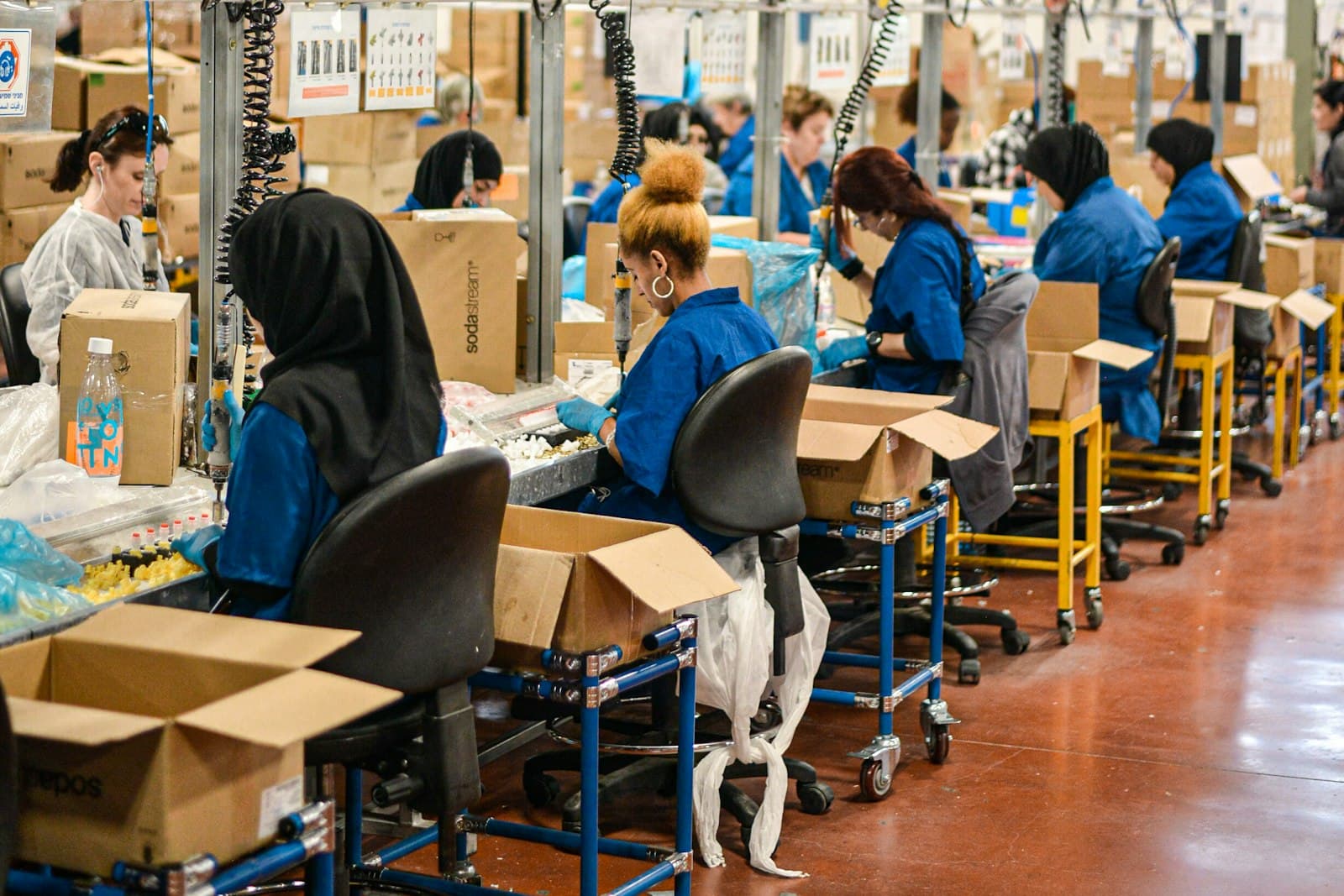
Attendance software built for a corporate office and attendance software built for a factory floor solve genuinely different problems, even though they look similar on a feature list. An office needs a handful of employees checking in across a normal working day. A textile mill, garment factory, or manufacturing plant needs hundreds of workers checking in within a narrow shift-start window, in a physical environment that's dusty, loud, and hard on delicate electronics, and every minute of delay at the entrance is a minute of lost production time.
Choosing attendance software for a factory in Pakistan without accounting for that difference is how companies end up with a system that works fine in the vendor demo and falls apart on the actual shop floor.
Why office attendance software doesn't hold up on a factory floor
A consumer-grade biometric device designed for a fifty-person office typically isn't built for a queue of three hundred workers trying to clock in within a ten-minute window at shift start. Scan speed, device durability, and the ability to handle a physical crowd at the door all matter in a way they simply don't in an office setting. Dust, humidity, and rough daily handling are normal wear conditions on a factory floor, and hardware not rated for that environment fails faster than expected.
What factory attendance software actually needs
Beyond ruggedized biometric hardware, factory attendance needs to handle multiple entry points simultaneously, often several devices at different gates or floors, all syncing into one unified record instead of separate logs someone has to manually merge. Fast fingerprint or face-match speed matters enormously at scale; a device that takes three seconds per worker instead of one adds up to real queuing time multiplied across hundreds of employees, twice a day.
Shift handling is where most systems fall short
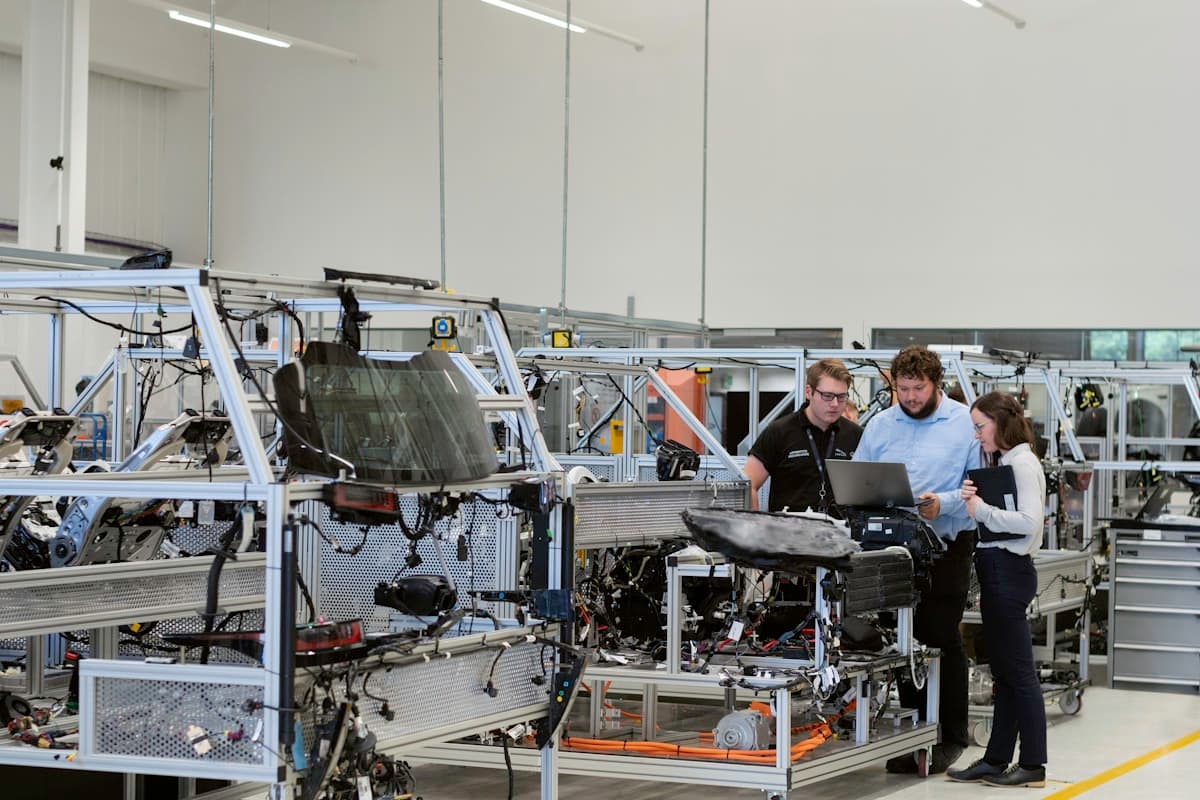
Factories rarely run a single fixed shift. Rotational shifts, night shifts crossing midnight, and split shifts across production lines are the norm, not the exception, and attendance software needs to calculate correctly across all of them without manual intervention. A system that handles a simple 9-to-5 well but breaks down the moment a shift crosses midnight, or can't cleanly rotate three shift groups across a week, creates exactly the kind of manual override work that defeats the purpose of automating attendance in the first place.
Overtime calculation at industrial scale
Overtime in a factory setting is rarely a rare exception, it's a routine part of meeting production targets, and it needs to calculate correctly and consistently for potentially hundreds of workers every single cycle. Attendance software feeding directly into payroll, with overtime rules configured once and applied identically across every worker on a given shift policy, removes the single biggest source of factory payroll disputes: inconsistent or delayed overtime calculation.
Mobile check-in for supervisors and field roles
Not every industrial role sits at a fixed biometric device, supervisors moving between production lines, quality inspectors, or maintenance staff working across a large facility often need mobile or GPS-based check-in as a complement to fixed biometric devices at the main gates. A system that only supports one check-in method forces these roles into a workaround, which is exactly the kind of gap that produces inaccurate attendance records.
Integration with existing production systems
Larger industrial operations often already run production planning, ERP, or workforce scheduling tools, and attendance data is more useful when it connects to them rather than sitting in an isolated system. A production planner benefiting from real-time headcount data, or a payroll team pulling directly from synced attendance records instead of a manual export, is the difference between attendance software as a standalone tool and attendance software as part of a connected operation. This is worth asking about directly during evaluation, even if it isn't needed on day one.
Compliance considerations for industrial workforces
Factories and manufacturing facilities in Pakistan tend to face closer labour law scrutiny than office environments, simply because workforce sizes are larger and working conditions are more heavily regulated. Accurate, retained attendance records aren't just an operational convenience here, they're often the primary evidence a company has if a labour dispute, overtime claim, or inspection ever requires proof of actual hours worked. A system that only retains a few months of attendance history, or that allows informal manual overrides without an audit trail, leaves a company exposed in exactly the situation where clean records matter most.
The cost of getting attendance wrong on a factory floor
Unlike an office, where a minor attendance error might mean a small payroll correction, an attendance error at industrial scale multiplies across hundreds of workers instantly. A single misconfigured shift rule applied to an entire production line can mean hundreds of incorrect overtime calculations in one pay cycle, an error that's expensive to fix after the fact and damaging to worker trust if it happens repeatedly. This is exactly why the evaluation criteria for factory attendance software should weigh reliability and shift-handling accuracy as heavily as, or more heavily than, price.
What to look for when choosing
For a factory or industrial operation in Pakistan, the shortlist criteria should specifically include: biometric hardware rated for industrial environments, support for multiple simultaneous entry points syncing to one record, correct handling of rotational and night shifts without manual correction, overtime calculation that flows straight into payroll, and mobile check-in support for roles that don't sit at a fixed device. A platform that checks all five is built for a factory; one that only checks the first is built for an office and happens to also sell to factories.
Rollout matters as much as the software itself
Even the right software can fail on a factory floor if the rollout ignores how workers actually behave at shift change. Adding new biometric devices at the busiest entry points without additional stations to handle the initial adjustment period, or switching methods without clearly communicating the change to workers beforehand, creates exactly the kind of congestion and confusion that turns an upgrade into a production delay on day one. A phased rollout, one shift or one gate at a time, almost always outperforms switching an entire facility over in a single day.
Getting it right
Attendance is the single highest-volume, highest-stakes data point in a factory's HR operation, it drives payroll, compliance records, and production planning all at once. Getting the system right isn't just an HR convenience for an industrial employer; it directly affects whether overtime is paid correctly, whether shift coverage is accurate, and whether the company has a defensible record if a labour dispute or inspection ever requires one.
Built for shop floors, not just offices
See how StreamHCM handles multi-shift, multi-gate factory attendance, start your 14-day free trial today.