
Biometric attendance software in Pakistan

Written by the StreamHCM team for HR and payroll managers in Pakistan. Updated on 31 October 2026.
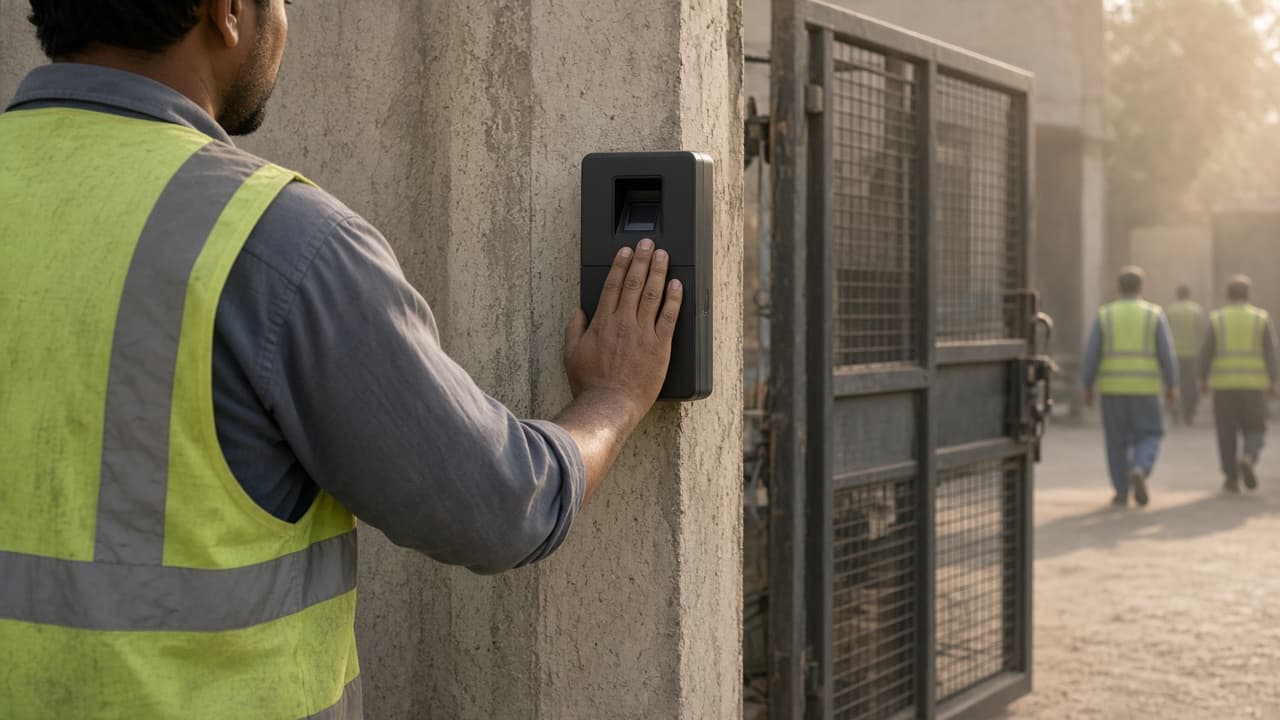
Most factories and larger offices in Pakistan already own a fingerprint or face reader. The register at the gate is gone. The month-end argument is not. Someone still exports the punches, pastes them into a sheet, and decides by eye who was late, who was on leave, and who worked a night shift that crossed midnight.
Biometric attendance software is the layer that makes that decision a rule. StreamHCM’s version is described on the biometric attendance system page and the broader attendance management system page. This article is the buying test behind those pages.
The machine is the front door, not the system
A reader records a time and an identity. It does not know that Thursday is a weekly off at one branch and a working day at another. It does not know that a punch at 12:10 a.m. belongs to yesterday’s night shift. It does not know that an approved casual leave should cancel the absence. Those rules live in software, attached to the employee’s shift.
When the rules are in the software, HR opens an exception list: missing punches, late arrivals past the grace minutes, overtime that the shift allows. They stop scanning every row. The same classified days are what payroll should read, so a late policy becomes rupees without a second spreadsheet.
What to check on your own device
- The model you already installed, not a device in the brochure. Tell the vendor the model during the trial.
- A dropped internet connection. Devices used in Pakistan generally keep punches locally and sync later. Ask to see that, because a load-shedding afternoon should not become a building full of absences.
- Two branches. Each gate can have its own reader and its own shift, and head office should still see one attendance day.
- A person who does not pass the gate. Mobile check-in, with a location rule, belongs in the same record as the fingerprint. Field teams are covered in the attendance tracking guide.
Buddy punching and the register it replaced
A paper register was easy to sign for someone else. A fingerprint is harder. It is not magic. Shared cards, a face device with a loose match, and a phone check-in from the car park are all ways the day can lie. Software helps when it flags odd patterns and when mobile check-in can reject a location that is outside the site. Supervisors still review exceptions. The point is that they review exceptions, not the entire muster roll.
Factories have a stricter version of this problem because the shift change is a crowd. The notes on that are in attendance software for factories.
How this connects to leave and pay
Attendance that ignores leave will mark a person absent on a day HR already approved. Attendance that ignores payroll will be a report nobody trusts on cutoff day. The useful system writes the punch, the leave and the payslip from one employee. If you are comparing products, post one late day and one approved leave into a trial pay run and read the payslip. That single test tells you more than a feature grid.
Shift rules that make the punch meaningful are a separate module. The public page is shift scheduling software.
Questions
Is a biometric machine the same as attendance software?
No. The machine stores punches. Attendance software applies the shift, the grace minutes, leave and holidays, then hands a result to payroll. Without that step, HR still rebuilds the month in Excel.
Which devices are common in Pakistan?
Fingerprint and face devices from brands such as ZKTeco, eSSL, Suprema and Fingertec are widely installed. Confirm your exact model on a trial before you commit. StreamHCM also supports mobile check-in where a gate device does not fit.
What about staff who never visit the office?
Sales, drivers and site workers need a phone check-in with a location rule. A factory gate and a field team can feed the same attendance record.
Connect one device on a trial
Bring the reader you already use. See punches become a day, then a payslip.