
Where gratuity comes from
For industrial and commercial establishments, the traditional source is the Industrial and Commercial Employment (Standing Orders) Ordinance 1968. Its standing order 12(6) provides that a worker whose employment ends for reasons other than misconduct, and who is not in a recognised provident fund scheme meeting the law's conditions, gets gratuity equal to thirty days' wages for every completed year of service or any part of a year in excess of six months. Wages are based on the last month's pay for fixed-rate workers, with a different basis for piece-rate workers.
The provinces have since legislated their own versions. Sindh has the Sindh Terms of Employment (Standing Orders) Act 2015, and Punjab consolidated its labour laws into the Punjab Labour Code 2026. Commentary on the Code notes that it requires a full year of service before gratuity accrues and adds pay-based caps for certain cases such as redundancy. Check which law and which provisions are in force for your establishment.
How to calculate gratuity
The common formula is: last drawn monthly wage divided by 30, multiplied by 30 days, multiplied by years of service, with a remaining period of more than six months counted as a full year. In other words, roughly one month's wage per year of service.
Example: a worker with 7 years and 8 months of service and a last monthly wage of Rs 60,000. The 8 months exceed six months, so service counts as 8 years. Gratuity is Rs 60,000 times 8, which is Rs 480,000. With 7 years and 4 months, service counts as 7 years and gratuity is Rs 420,000.
Many employers also run their own gratuity or provident fund schemes on better terms. Where a company policy or contract is more generous than the law, follow the policy.
What goes into a final settlement
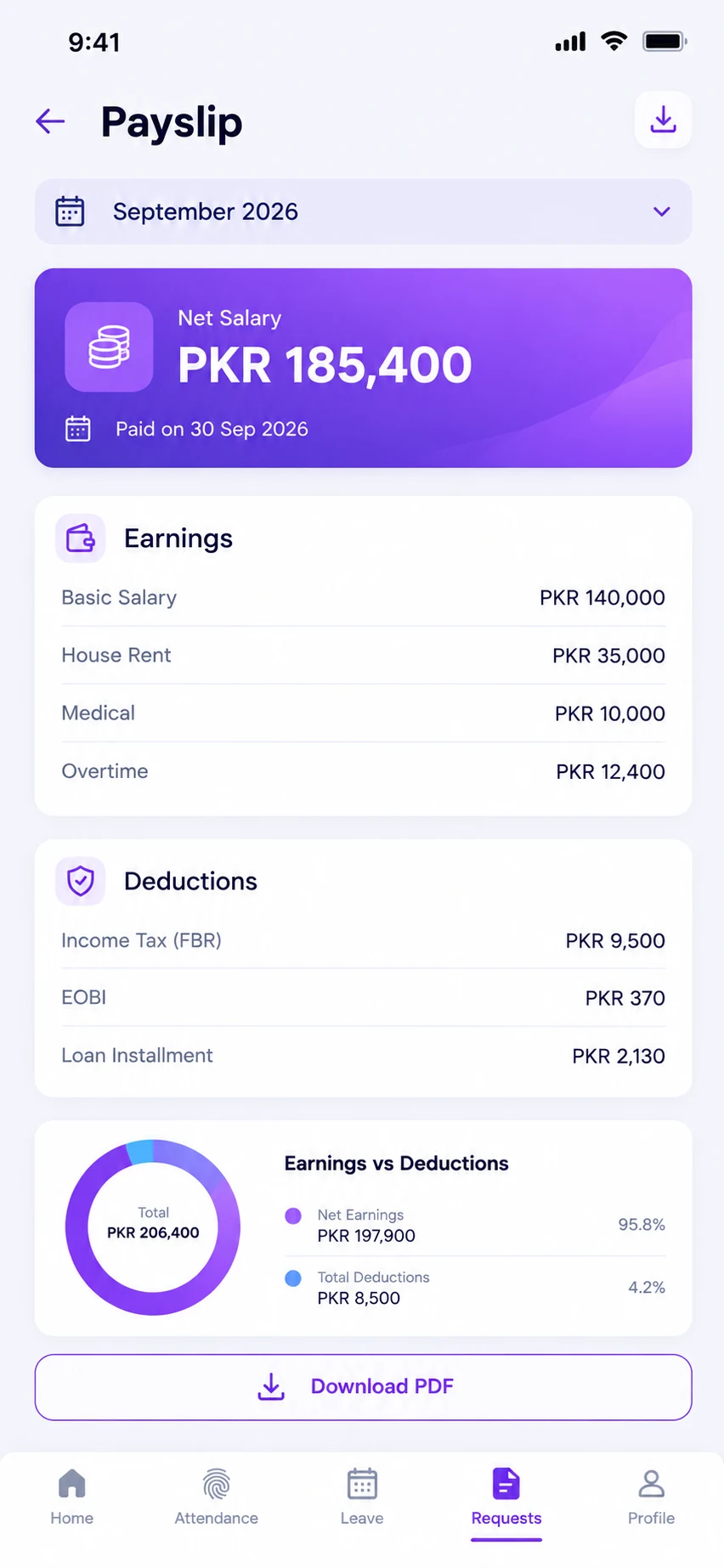
- Salary for days worked in the final month, including allowances and approved overtime.
- Encashment of unused earned or annual leave, where the law or policy allows it.
- Gratuity or the employer's share of provident fund, under whichever applies.
- Notice pay: paid to the employee if the employer ends employment without notice, or recovered if the employee leaves without serving notice, as the contract allows.
- Recovery of outstanding loans and advances, within legal limits.
- Bonuses or incentives already earned under policy.
- Income tax on the settlement, calculated through the annual estimate.
- EOBI and social security for the final month.
Tax on final settlement
Final settlement amounts are generally part of salary income for the tax year and go through the Section 149 withholding calculation. Some gratuity payments are exempt within limits set by the Second Schedule to the Income Tax Ordinance. Confirm the treatment of each component with your tax adviser rather than assuming the whole amount is taxable or exempt.
Timing and documents
Labour law expects dues to be paid promptly after employment ends, and delays are a common reason for complaints to labour courts. Good practice is to agree a settlement date in the exit process, give the employee a settlement statement showing every line, and keep a signed copy with the clearance form, experience letter and tax certificate.
Final settlement in StreamHCM
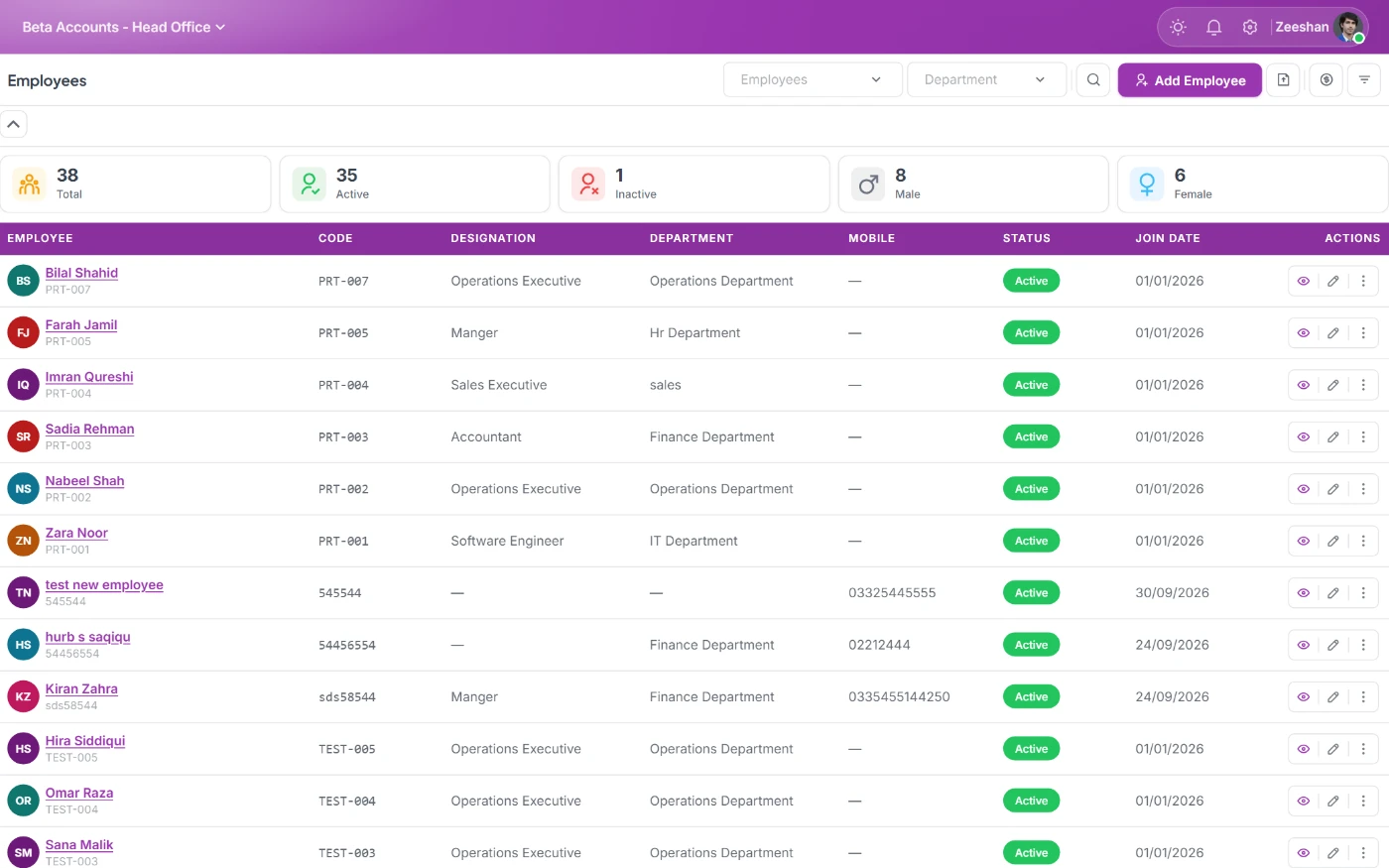
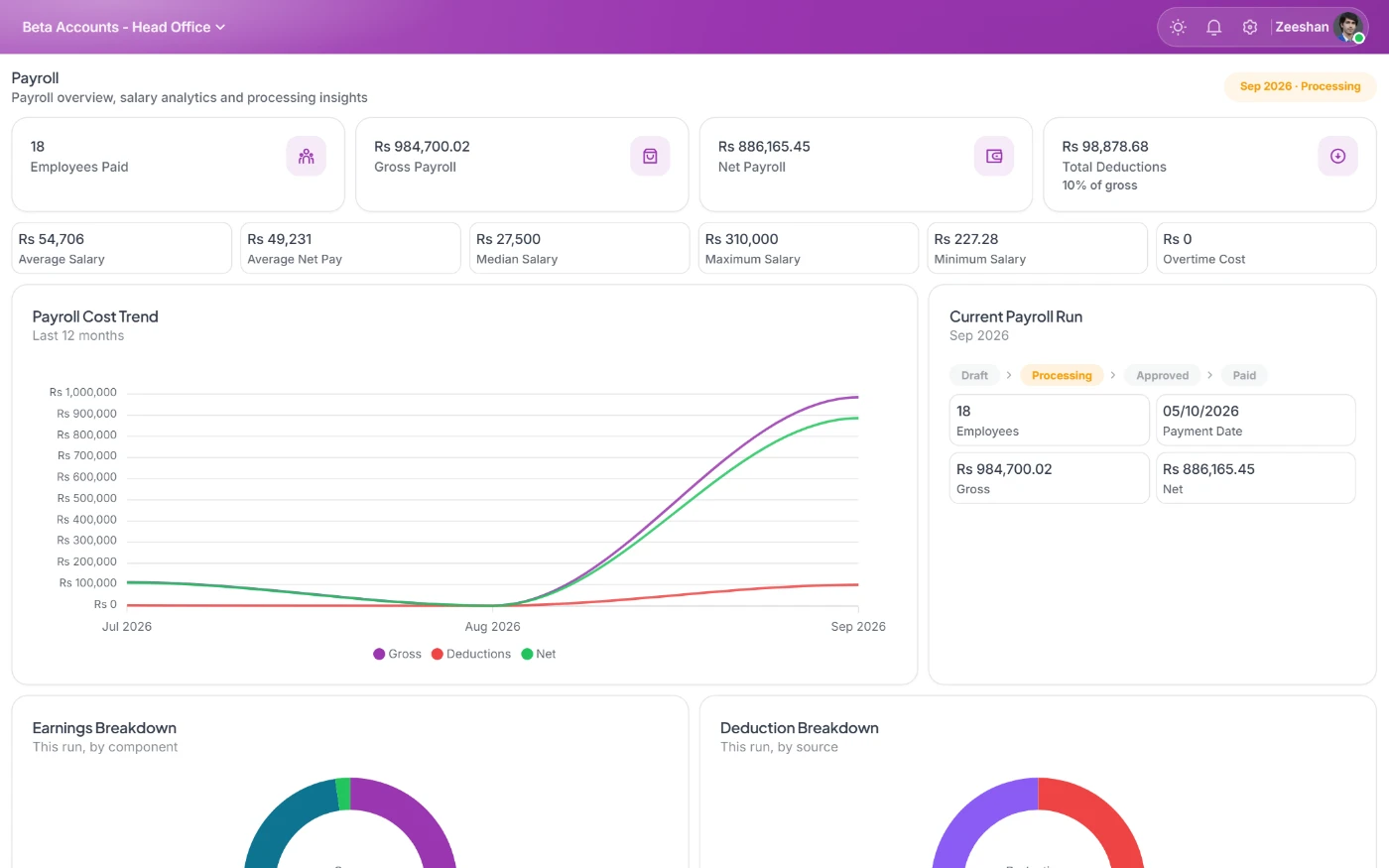
StreamHCM calculates final settlement from the employee's record: service dates, last wage, leave balance, loans and policy rules. HR reviews each line, adds approved adjustments and generates the settlement statement and letters, and the payment goes through the final payroll with correct tax and contributions.
About this guide
This guide is general information, checked against the sources listed below on 24 October 2026. It is not legal or tax advice; confirm current notifications with the relevant authority or your adviser before acting.