
The future of HR automation in Pakistan
June 1, 2026

Human Resource Management is undergoing its biggest transformation in a generation. What once required teams of administrators (processing attendance registers, calculating payslips by hand, chasing leave approvals over email) can now be handled automatically, in real time, by modern HRMS platforms. This is already happening inside thousands of companies, and the pace of adoption is accelerating every quarter.
In Pakistan, where many SMBs and mid-market companies still rely on spreadsheets and manual processes, the opportunity for automation is enormous. Companies that modernize their HR operations now will benefit from faster payroll cycles, fewer compliance errors, and dramatically lower administrative overhead, while their slower-moving competitors are still reconciling attendance sheets by hand at month-end.
The old way: why manual HR doesn't scale
Most HR departments in Pakistan didn't choose spreadsheets and paper registers because they were the best tool for the job. They inherited them. A company starts small, tracks attendance on an Excel sheet, calculates a handful of salaries manually, and it works fine at 15 employees. But the same process at 150 employees becomes a full-time liability. A single formula error in a payroll spreadsheet can silently mispay dozens of people for months before anyone notices.
Manual HR processes don't just fail at scale. They fail invisibly. There is no audit trail showing who changed a salary figure or when a leave balance was manually overridden. When a labour inspector or an auditor asks for records, HR teams running on spreadsheets often spend days reconstructing history that a proper system would have logged automatically. This isn't a hypothetical risk; it's the single most common reason growing Pakistani companies eventually rip out their manual systems and adopt an HRMS.
The cost isn't only financial. Every hour an HR administrator spends re-typing attendance data into a payroll sheet is an hour not spent on the things that actually move the business forward: hiring, retention, performance conversations, and workforce planning. Automation doesn't replace the HR function; it removes the parts of the job that were never really HR in the first place.
What automated HR actually looks like in practice
The useful part is not a chatbot bolted onto an old system. It is software that already holds attendance, payroll and leave, so reports come from the same numbers as the payslip. You can see turnover risk, overtime cost and absenteeism without rebuilding Excel the night before a meeting.
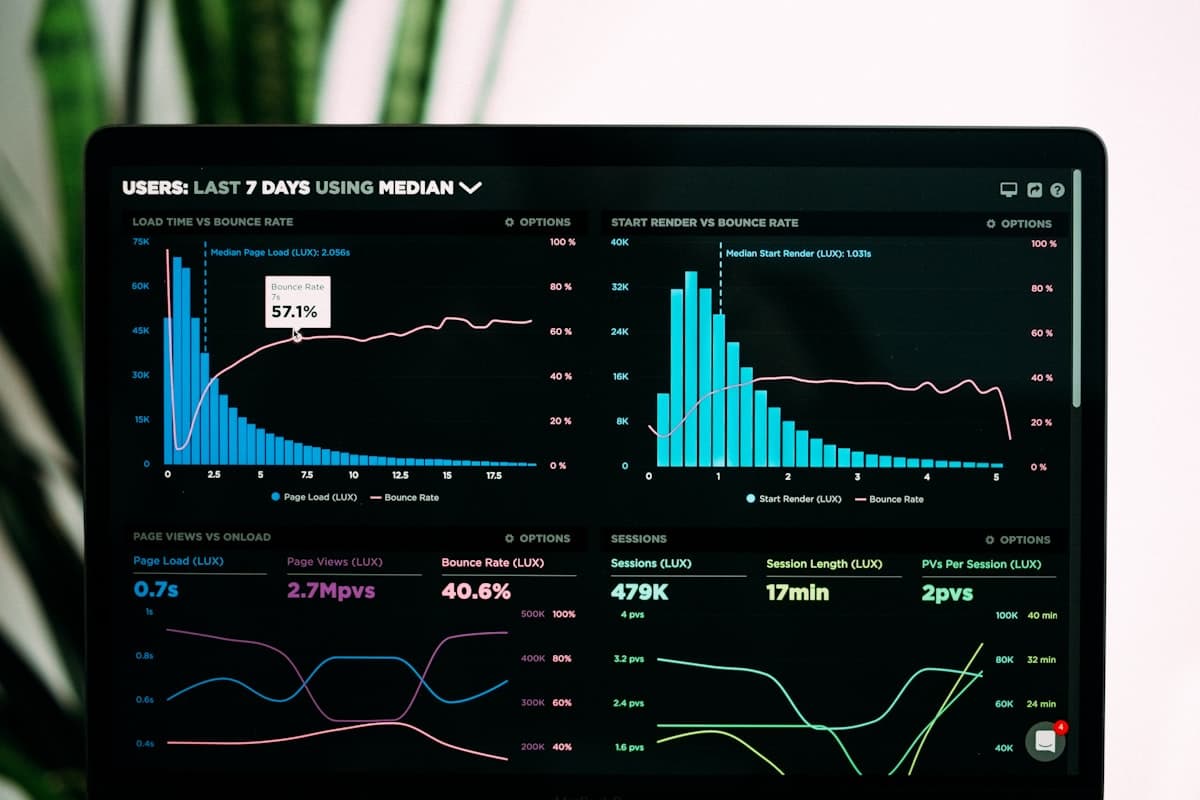
Concretely, this means a system that flags when an employee's attendance pattern shifts (arriving late more often, taking more short leaves than usual) long before that pattern turns into a resignation letter. It means payroll checks that catch a calculation anomaly before the money moves, instead of an employee discovering the mistake on payday. And it means recruiters ranking incoming candidates against the actual requirements of a role, so they spend their time interviewing the strongest applicants instead of reading every CV in the pile.
This shifts HR from a reactive, administrative function to a practical, numbers-backed one. Instead of HR managers spending their week compiling reports for leadership, the reports compile themselves, and HR managers spend their week acting on what those reports say. The point is not replacing judgment. It is giving HR teams the time and the evidence to use it well.
Why Pakistan is a uniquely strong market for HR automation
Pakistan's labour market has a specific shape that makes automation unusually valuable. A large share of the workforce is young, mobile-first, and comfortable with self-service technology, which means employee self-service portals see genuinely high adoption, not just token usage. At the same time, compliance requirements around EOBI, provincial labour laws, and FBR tax withholding are detailed enough that manual tracking creates real legal exposure for growing companies.
Add to that a business culture where many companies operate across multiple cities or even multiple countries, and the case for cloud-based HR becomes obvious. A company with a head office in Karachi and branch operations in Lahore and Islamabad cannot reasonably run HR on local spreadsheets that live on someone's laptop. It needs a single source of truth that every branch can see and act on in real time.
Removing the infrastructure barrier
The barrier to entry has never been lower. Cloud-based HRMS platforms like StreamHCM can be deployed in days, not months, without expensive on-premise infrastructure or IT teams. For growing companies with 20 to 500 employees, this represents a genuine competitive advantage. The same payroll, attendance and performance tooling that used to require a large IT budget is now available as a subscription that a mid-sized company can justify in its first year.

That said, technology alone doesn't automate a company. Adoption does. The businesses that get the most value from HR automation are the ones that treat the rollout as a change management project, not just a software purchase. That means training managers to actually use the approval workflows instead of routing decisions around the system over WhatsApp, and it means giving employees a reason to check the self-service portal (instant payslip access, live leave balances) so the habit sticks.
What to automate first
Companies just starting their automation journey often ask where to begin. The answer is almost always attendance and payroll, because they are the two processes with the clearest, most measurable return. Once attendance data flows automatically into payroll, the manual reconciliation step (historically the single biggest source of month-end stress for HR teams) disappears entirely.
From there, leave management and employee self-service are natural next steps, because they reduce the volume of routine HR queries dramatically. Performance management and workforce reports tend to come later, once the operational foundation is solid. There is little value in sophisticated turnover prediction if the underlying attendance and payroll data feeding it is still unreliable.
The road ahead
The companies that win the next decade will be those that treat HR data as a working record, not a compliance burden. Automation is the foundation that makes that possible. It won't happen by installing software and walking away; it happens when HR teams are given tools built specifically for how Pakistani companies actually operate, and the support to make the transition stick. That combination (the right platform, deployed with intent) is what separates companies that talk about digital transformation from the ones that actually achieve it.
Ready to put this into practice?
See how StreamHCM automates the workflows in this article for your team.